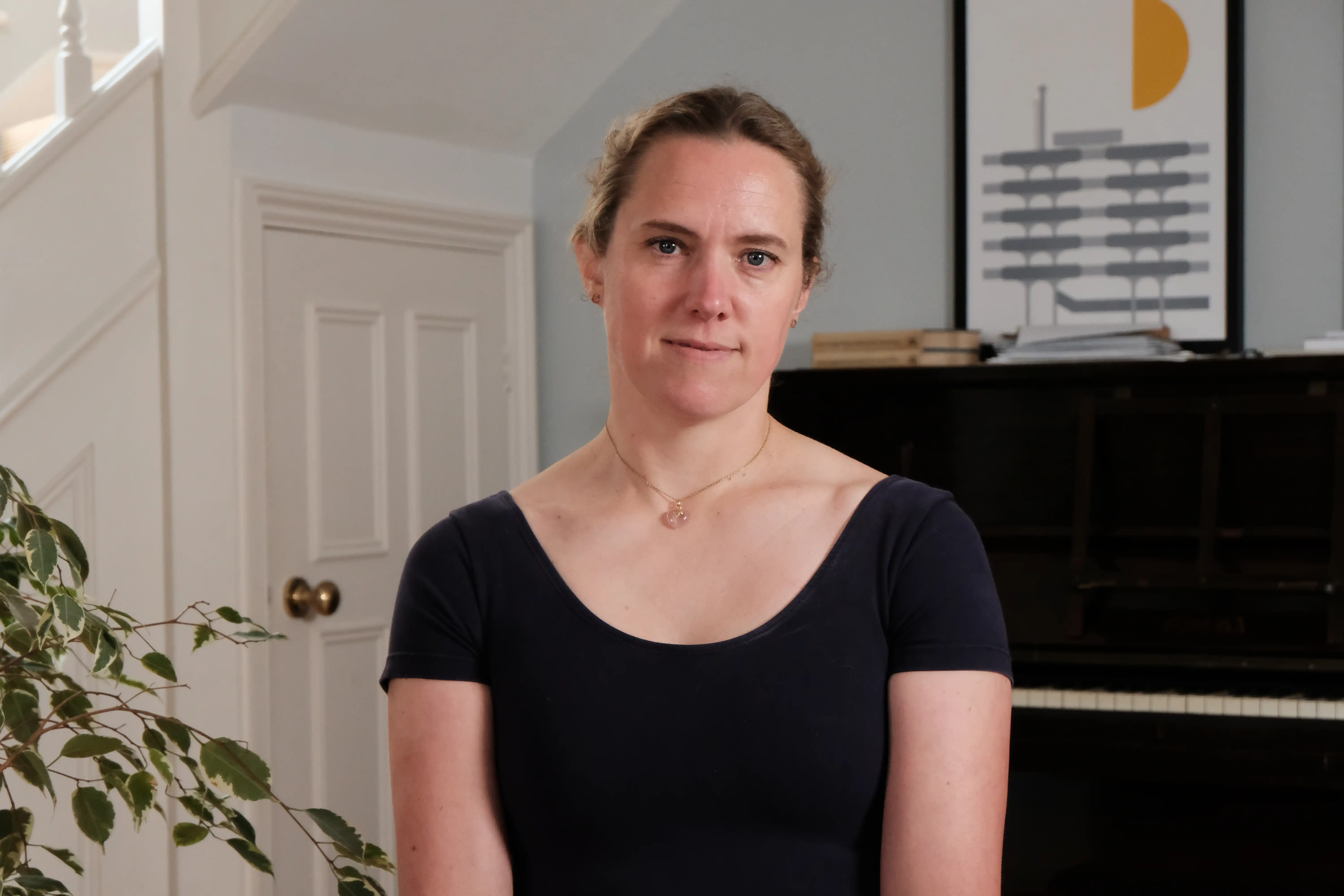
The collection marks the centenary of the Leverhulme Trust and features a series of interviews with Philip Leverhulme prizewinning philosopher Dr Jessie Munton, Fellow of St John’s College, whose work examines attention, salience and the unseen patterns that shape how we think.
The digital collection presents 60 filmed conversations with past recipients of the prestigious Philip Leverhulme Prize, each exploring their research and its wider significance. The collection is now live on the EXPeditions open-access platform and marks the centenary of the Leverhulme Trust.
explores the nature of attention and salience – what stands out to us, what we overlook, and how those patterns shape knowledge and understanding. “The videos explore ideas from my research over the last few years on salience and attention – what stands out to us, what we notice, and how that shapes our ability to learn and reason about the world,” she said. “Traditional epistemology tends to focus on the evaluation of beliefs that can be true or false, justified or not. In my work I try to move beyond that, by finding ways of modelling how the mind selects and prioritises information – how we decide what to focus on, what evidence to seek, and which beliefs to use when reasoning or solving problems.”
Her appearance in the collection underlines one of its main aims: to connect rigorous academic enquiry with wider audiences. The Leverhulme Trust’s centenary project highlights the role of research in public life and celebrates the creative curiosity that drives it.
“By studying how the mind filters and orders information, we can develop new tools for understanding bias and prejudice”
Dr Munton’s recent work turns towards what she calls the “negative space” of our mental lives – the questions unasked, the evidence unseen, and the ideas that remain unformed. “By studying how the mind filters and orders information, we can develop new tools for understanding bias and prejudice,” she explained. “This overlooked territory – the flip side of salience – has led me to think about ignorance, the different forms it can take, and the way it can be a resilient, active phenomenon.”
With support from her Philip Leverhulme Prize, she is now extending this work into the philosophy of forgetting. “It’s a fascinating problem because it sits at the intersection of memory, attention and the limits of what we can ever really know,” she said.
Reflecting on her involvement, Dr Munton added: “It’s great to have this chance to communicate about my work, and it’s an honour to do so in the context of this collection showcasing the work of other prize-winners. It gives a sense of the breadth of intellectual endeavour that the Philip Leverhulme Prize supports. I like the synergy that emerges from the juxtaposition of these apparently disparate topics.”
The is available to view on the EXPeditions platform, where all 60 conversations are freely accessible to the public.