The best festive movies are the ones we want to watch every year and听Nativity!, produced by St John's graduate Nick Jones, has become one of the nation鈥檚 favourites.
Now a staple of Christmas TV scheduling,听Nativity!听鈥� released in 2009 鈥� and its three sequels succeeds where plenty of Hollywood attempts at Yuletide stories have left audiences cold.听听
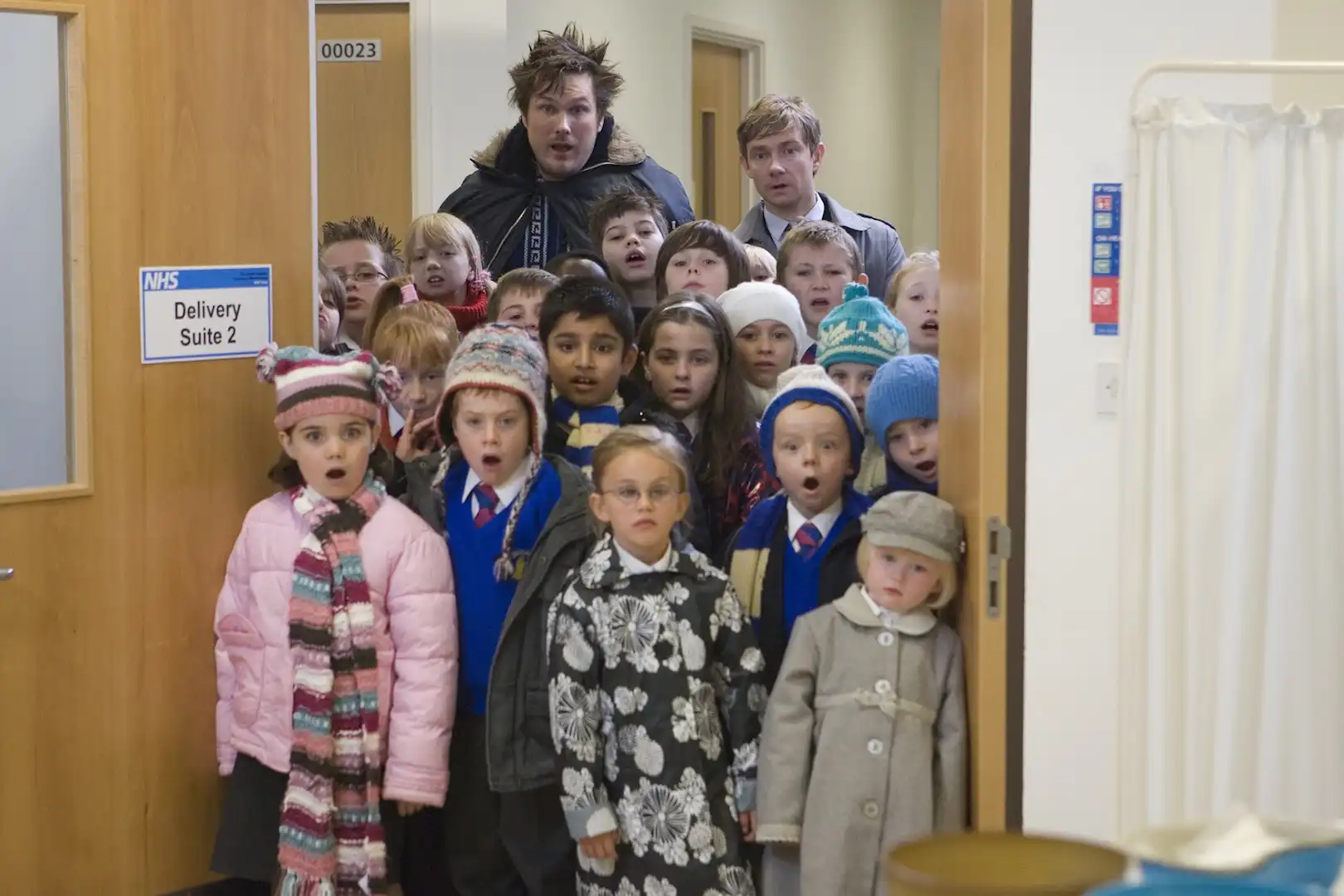
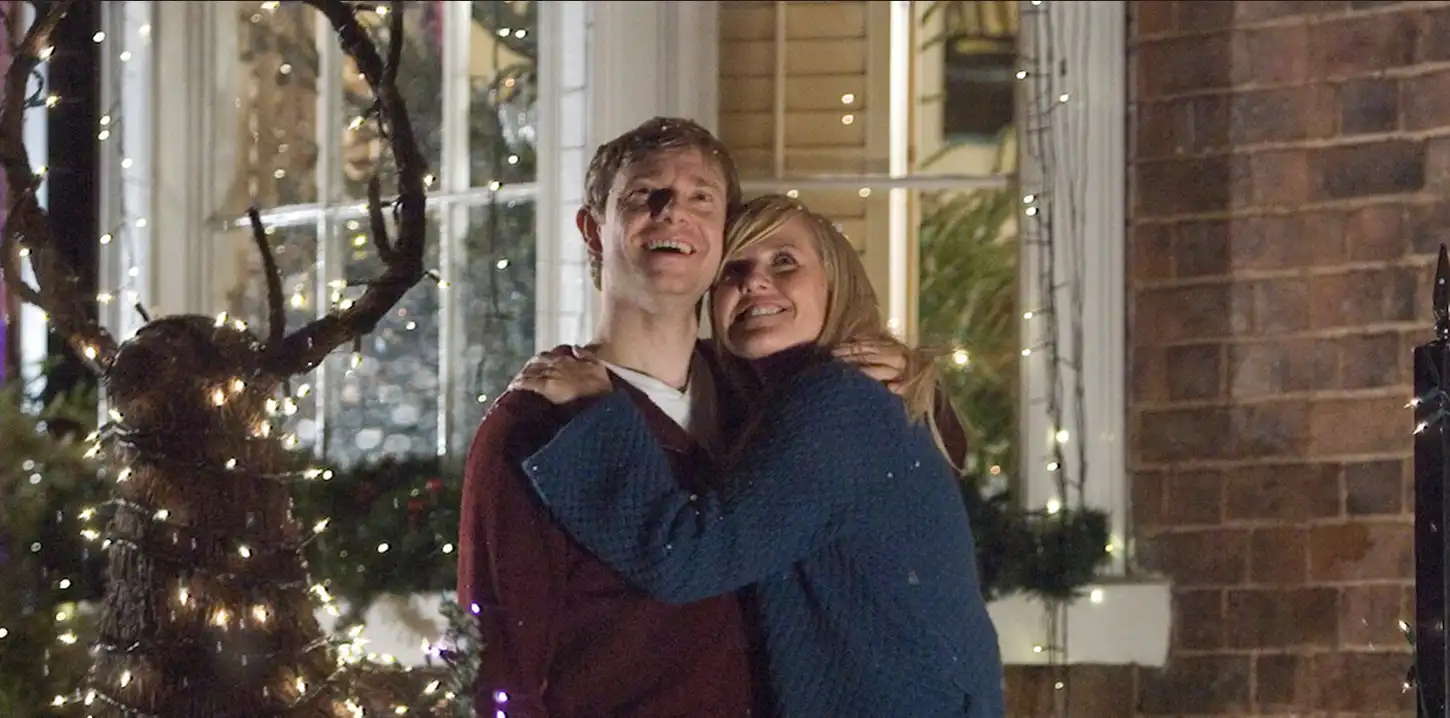
It tells the story of heartbroken teacher Paul Maddens (Martin Freeman) who has been put in charge of directing his school鈥檚 Nativity play and falsely boasts that his ex-girlfriend, who now works in Hollywood, plans to turn the production into a film. Events spiral hilariously out of control when his lie is believed and he and his pupils have to save the day.
Nick, who arrived as an undergraduate to do his Law degree at St John's in 1992, shares how he forged his own path to movie success through determination, some calculated risk-taking... and being prepared to sweep up elephant dung.听听
It鈥檚 funny and big-hearted with sympathetic characters and a compelling story that works on several levels.听Audiences enjoy the classic under-dog, rom-com and traditional Christmas elements. There鈥檚 something for everyone: kids love Mr Poppy and adults relate to Mr Maddens鈥� story.听
It was a box office hit on release in 2009 and has been on TV for years but I realised its growing popularity following lockdown when my niece, who was a university student, told me it was trending on TikTok. She showed me there were about 85,000 videos of people performing听She鈥檚 the Brightest Star, one of the original songs from the first听Nativity!. I thought, 鈥淲hat鈥檚 going on here?鈥�.听 It kept growing in the lead up to Christmas. I mentioned this to Debbie (Isitt, the director) and she did her own TikTok and got around five million views. It exploded from there.听
Last year we did some research and found there were more than four billion impressions on social media for听Nativity!-related material. It sits in Netflix鈥檚 top 10 movies in the UK for every year and we鈥檝e just relicensed it to BBC TV.听It鈥檚 taken on a life of its own.听This is partly driven by nostalgia of the TikTok generation, who grew up with the film, and it鈥檚 become a shared Christmas tradition, but there are also new audiences discovering it every year.听

We all know the formulaic elements 鈥� the comforting traditions and themes of returning home, family reunions, broken hearts mended, reconciliations, the Christmas soundtracks, the snow and so on, but whether audiences embrace the film depends on how these familiar themes are handled.听
Nativity!鈥檚 appeal was down to Debbie Isitt鈥檚 (the writer/director) vision, talent and understanding of the audience, along with the quality of the actors and kids she worked with to deliver such authentic performances. The relatability of the characters and that special mix of comedy, tradition, heart, original songs 鈥� and great editing 鈥� made it standout. There鈥檚 a certain amount of magic involved but if you can make people laugh, make them cry and get them to sing along, you鈥檙e onto something.
No one really knows if a movie is going to work. We were sitting in Debbie鈥檚 kitchen in Coventry when she told me this idea that was inspired by her daughter鈥檚 primary school nativity play. It wasn鈥檛 immediately a no brainer for me because I didn鈥檛 initially see that it would have such a wide multi-generational audience. But Debbie is generally a few steps ahead of everybody else and it takes them a while to catch up!听
We developed the story a bit and took the idea to BBC Films, who had already made听Confetti听with us, and they loved it. Just like our previous film, it was going to be unscripted and partly improvised. BBC came on board but we also had to convince other financiers.听听
Debbie suggested we film a promo of some scenes with kids at a Coventry primary school and ask Martin Freeman to be their teacher with Marc Wootton, who鈥檇 had a small role in听Confetti, as his crazy classroom assistant. She wanted to get them in a classroom and see what happened. So we filmed it and when we watched the footage we knew it was going to be good.听
Debbie creates a world that people recognise and relate to and then transports you somewhere beyond. It鈥檚 comedic, it鈥檚 stylised, it鈥檚 magical, but it is also emotionally truthful.听It was this blend of classic storytelling, authentic emotion and comedy, along with catchy songs and really strong performances 鈥� particularly in the chemistry between 鈥榮traight man鈥� Martin and 鈥榝unny man鈥� Marc, and between them and the children.听听听
They鈥檙e not only exceptionally funny, but some of Martin鈥檚 scenes are tear-jerking.听And they鈥檙e working with kids who aren鈥檛 super polished because it鈥檚 part-improvised 鈥� though under tight direction from Debbie 鈥� and that brings a spontaneous and authentic emotional experience, allowing audiences to really connect with the characters.听We saw this in the joyful reactions at the test screenings we did with hundreds of primary school children and their teachers.听
I dabbled a little bit in student filmmaking but there was no obvious way to turn that into a career. I鈥檇 read Law at St John鈥檚 but I knew I didn鈥檛 want to go straight into a corporate law office. My aunt in London introduced me to a good friend of hers who was a commercials director. I asked if he would give me a job after I鈥檇 finished university and he said no because I knew absolutely nothing about the industry and was no use to him. That was a tough lesson!听
After graduating, I sent out hundreds of CVs and even knocked on Merchant Ivory鈥檚 door asking for a job, with no luck. I was so na茂ve.
Eventually a commercials producer offered me some work at studios in King鈥檚 Cross. I had no money and was desperate. I arrived at this huge soundstage and was handed a broom. The production manager took me into a studio and 鈥� I鈥檓 not making this up 鈥� pointed to an elephant. You can guess what my job was with the broom.
At the end of the day I was given a 拢20 note. This was when you could buy a pint for a pound, and I thought I thought, 鈥淲ow, I鈥檓 a professional runner in the film business鈥�.听
I ran around getting everyone sandwiches and worked on the reception desk of a busy commercials production company. They had 12 directors who were working all the time making commercials for huge advertising agencies like Saatchi & Saatchi and Ogilvy & Mather. In those days, commercials production was very lucrative, so they could afford to spend vast amounts on these shoots, with the best equipment and facilities.听
I didn鈥檛 love it and it was really hard work, but I was learning all of the technical and practical stuff about filmmaking while working in commercials.
In those days everything was shot on 35mm film and the company had a garage full of leftover film stock which they generously let me use to make short films with friends who were budding film directors. And after about 18 months I鈥檇 made about four or five short films. In the meantime, I鈥檇 been promoted to production manager, so I was helping run the commercial film shoots.听听
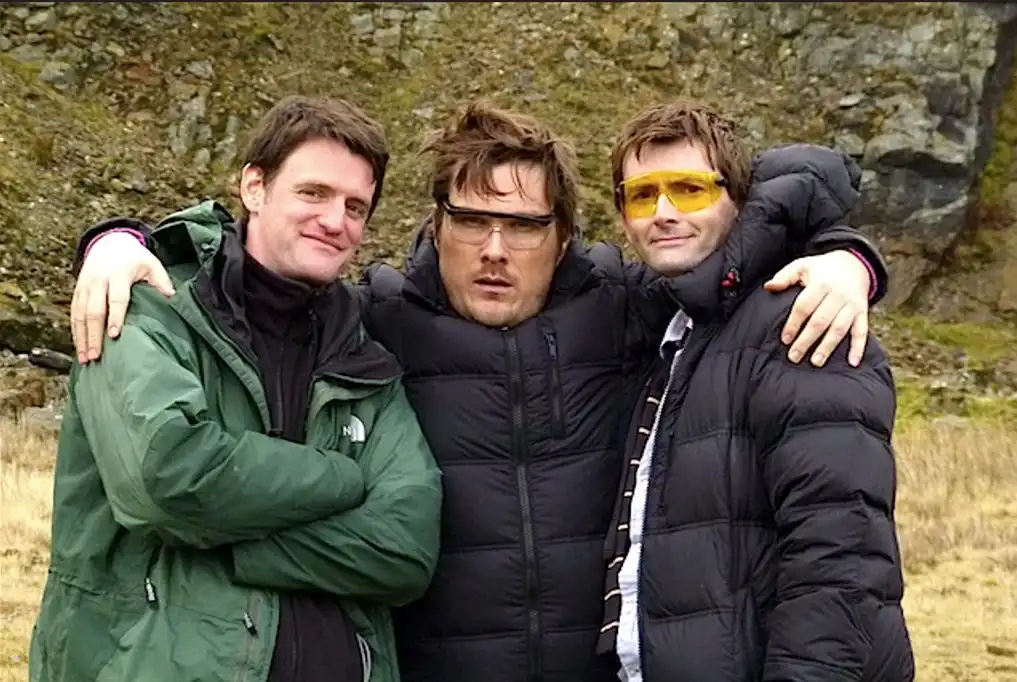
I had become disillusioned and was about to return to law and work in a big City law firm when I got a call from one of the commercials directors who knew I鈥檇 been making these short films on my own time. He asked if I would produce a short film for him. I turned him down and confessed I was about to quit. He then offered to start a production company with me instead. I was 24 and he said he had enough startup money to run the company for four years. I agreed and declined the job I鈥檇 been offered as a trainee solicitor. It was a baptism of fire.听
After three years there making commercials, pop videos and some documentaries 鈥� while also trying to develop feature films 鈥� I left the company to go freelance and travel the world producing historical documentaries, including one with Ted Danson about Atlantis.听听
I was introduced to a producer who had a project without a script. He told me about a director who had come to see him with an idea for a wedding comedy and asked if I would meet her to see if the project was feasible.听
By this point I had a lot of production experience. I met with the director and she was an absolute creative force. She pitched this movie idea for a mock documentary about a wedding competition.鈥疉fter the meeting, Ian, the producer, asked whether I thought the film could be made. I told them I didn鈥檛 have all the answers to that, but that this woman was brilliant and that they should back the project. To their credit, they did. That was Debbie Isitt, who became my partner at Mirrorball Films. I was brought on board as a co-producer, and that project became a film called听Confetti, with Martin Freeman, Olivia Colman, Stephen Mangan and Jimmy Carr.听听
It depends which sector of the industry you鈥檙e trying to break into as there are many routes in. If it鈥檚 a technical job you need to become a trainee or apprentice to learn the craft. Try to get in and gain experience by any means you can, because no one is going to do it for you 鈥� don鈥檛 wait for permission.听
You need a tremendous amount of drive as it鈥檚 mostly a freelance world. It鈥檚 also very hard 鈥� I know people who come from showbiz families and their kids have not managed to carve out a career in the business. So sometimes even nepotism doesn鈥檛 work!听听
If I had played it really safe, and stuck with my corporate law job, I probably still would have ended up coming into the business through different route, like law or finance. If you want to be a film producer you do need to be able to read a contract and understand finance, but it all starts with creatives because without relationships with writers and directors, you鈥檙e not producing anything.听
Debbie and I have a TV series in development with BBC. Debbie鈥檚 been doing a lot of stage musicals and we鈥檙e looking at turning some of those鈥痠nto鈥痜ilms. We have a couple of movies coming down the pipe, which we have distributors attached to. Putting films together is a house of cards, because you need all of these things to come together at the same time: money, actors, crew, weather, locations. But hopefully next year we鈥檒l be in production and back in the Midlands too.听