
A £1.8 million Wellcome grant has been awarded to a Cambridge-led research consortium to study the life-long and intergenerational mental health effects of extreme heat on pregnant women and their children.
An international team of researchers from Cambridge, University of New South Wales Sydney, Australia and University of Thessaly, Greece, will explore the largely uncharted biological and psychological links between heat and mental health in mothers and babies.
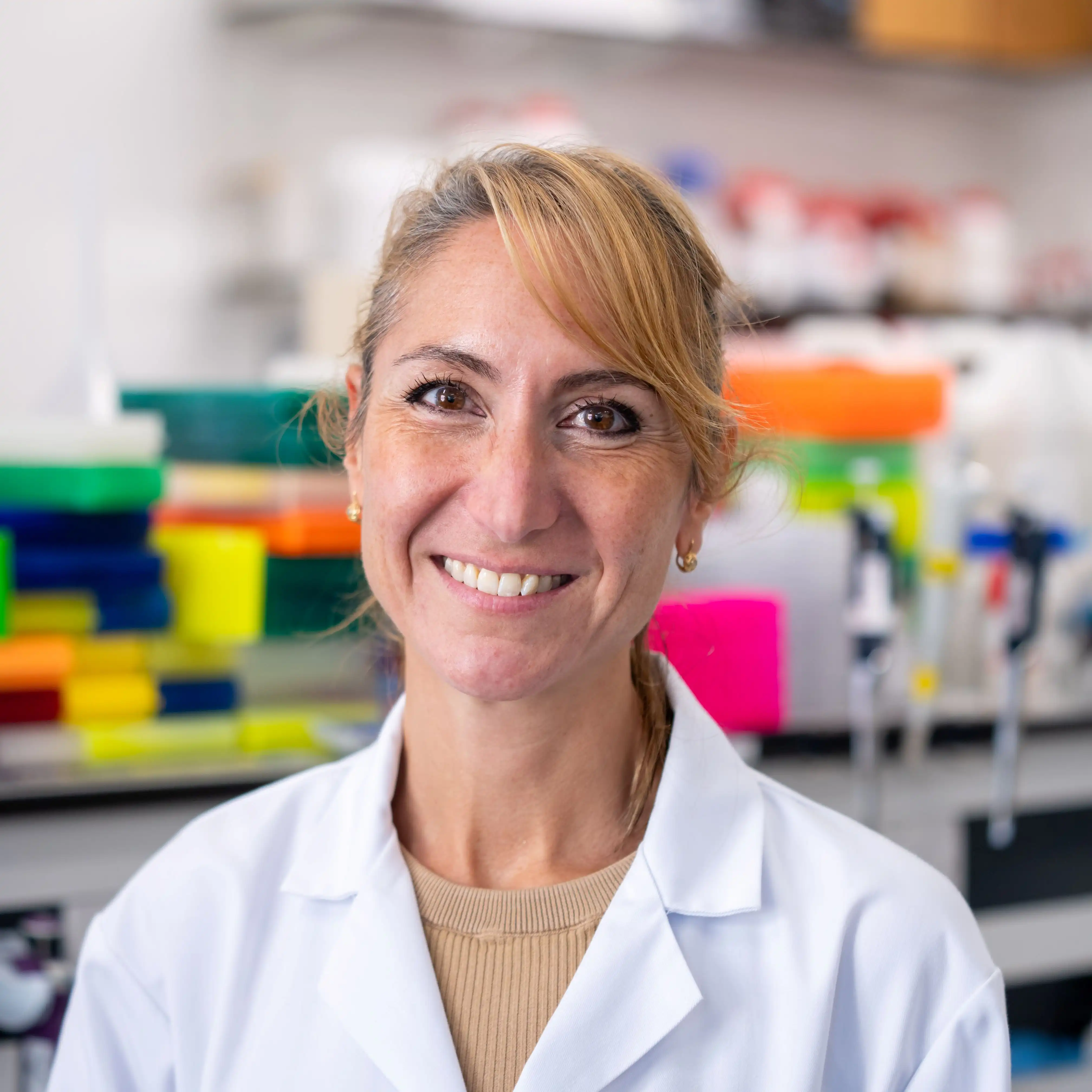
The interdisciplinary project is led by Professor Amanda Sferuzzi-Perri, University Professor of Fetal and Placental Physiology in the Department of Physiology, Development and Neuroscience, in Cambridge’s School of Biological Sciences, and a Fellow of St John’s.
“Pregnant women are not only physiologically more vulnerable to heat stress, but also often face social and structural disadvantages that can amplify its effects on their health,” said Professor Sferruzzi-Perri, College Lecturer in Physiology and Reproductive Biology at St John’s.
Professor Sferuzzi-Perri said pregnancy presents a unique window to study these impacts, as conditions during pregnancy not only shape maternal wellbeing in the short-term, but also influence lifelong mental health vulnerabilities in future generations.
“Identifying key risks during pregnancy is essential for designing targeted strategies, and this work will drive innovations in interventions and policies to safeguard maternal and intergenerational health in a warming world,” she said.
As climate change intensifies, understanding how extreme heat affects pregnant women is critical given the growing likelihood that global temperature rises may exceed the 1.5C degrees target.
Around one in five women experience anxiety or depression during or after pregnancy. These challenges are worsened by heat-related pregnancy complications, with lasting consequences on both mothers and children.
The research project will leverage shared cross-species models of mental health vulnerability under experimentally-controlled, real-world observational, and projected future heat exposure.
It also aligns with the University of Cambridge’s climate research priorities through strong connections with .
By using harmonised measures across species, disciplines, and biological levels, the project aims to establish causal pathways by which heat impacts maternal and child mental health – laying the groundwork for future interventions and policy responses.