A new film premiering at the UN Climate Change Conference highlights the pioneering work of Cambridge scientists and global south partners to feed the world sustainably.
The documentary, titled Growing More With Less, will premiere at COP30 – the 30th annual United Nations climate meeting being held in November 2025. COP stands for ‘Conference of the Parties’ with the parties referring to the nearly 200 countries that have signed up to the original UN climate agreement of 1992.
Leaders, scientists, campaigners and journalists attend the conference, taking place in Brazil, from around the world.
It shows how Cambridge Crop Science’s partnerships with breeders and farmers are translating cutting-edge science into real-world impact, with a focus on developing sustainable alternatives to the high-input agriculture currently relied on.
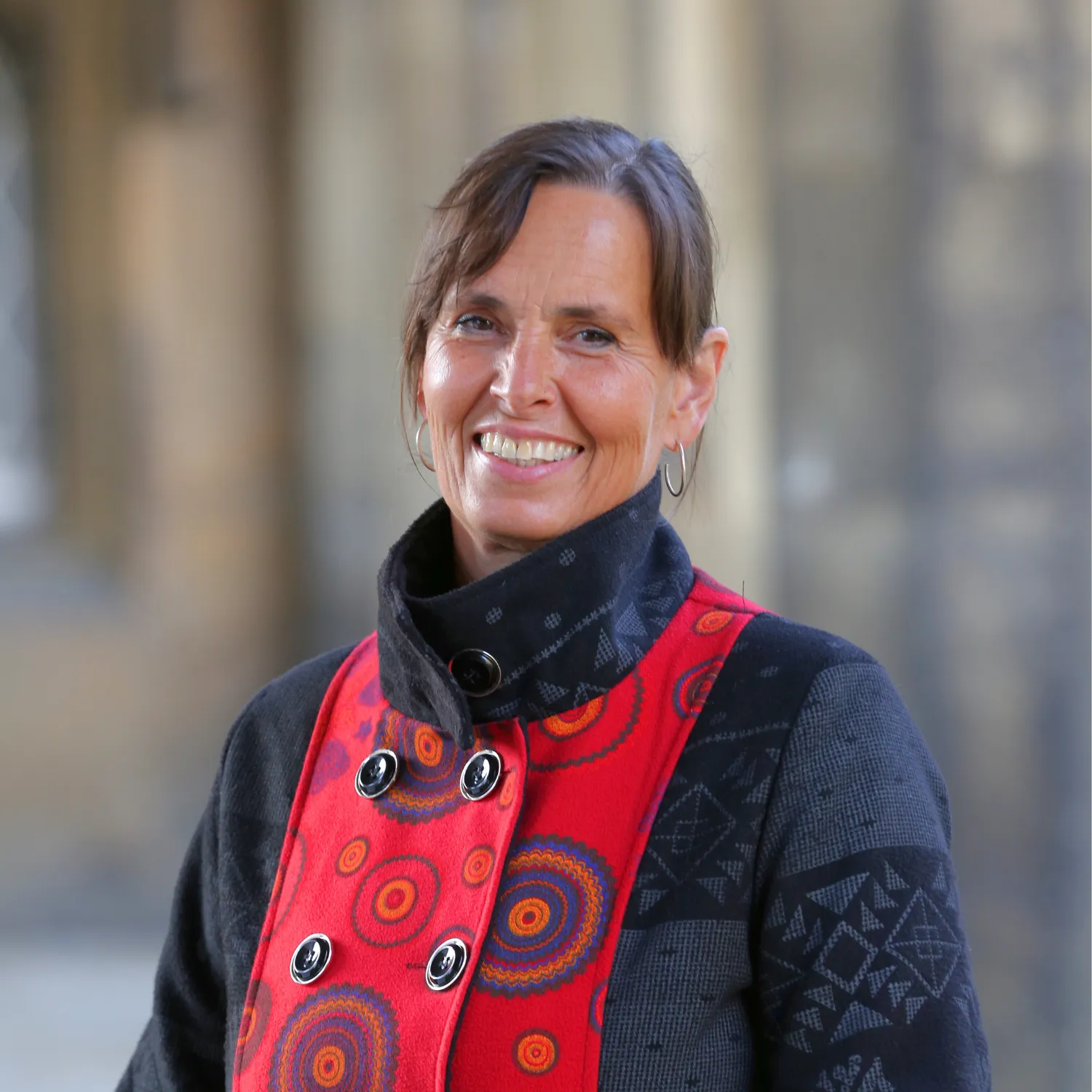
“Making global food production more equitable, sustainable and resilient is core to everything we do at the Crop Science Centre,” said Professor Uta Paszkowski, Fellow and Director of Studies for Natural Sciences (Biological) and for Plant Sciences at St John’s College, CSC Acting Director and Head of the Cereal symbiosis group.
“This film shows how we are harnessing research innovation to strengthen global food security and make sure the benefits of cutting-edge crop science can reach all farmers.”
The film has been produced in collaboration with global research consortium CGIAR as part of their ‘With Science We Can’ campaign – a documentary series exploring how we can achieve a food-secure future through scientific innovation.
Researchers at CSC are working with breeders, scientists and farmers around the world to bring nature’s solutions back into agriculture.
“We believe the solutions nature invented hold the key to sustainable agriculture,” said Professor Paszkowski, who is University Professor in Plant Molecular Genetics and College Lecturer in Plant Sciences.
“By studying how plants partner with soil microbes, for example, we can design crops that nourish themselves and reduce dependence on chemical inputs.”
As the world’s population grows and climate pressures intensify, global agriculture faces the urgent challenge of producing more food with fewer resources.
At the same time, ecological and climate change problems like greenhouse gas emissions, water scarcity, environmental pollution are having a significant effect on food production.
“The climate change problem in turn feeds into the food production issue, so it’s a vicious circle,” added Professor Paszkowski. “This vicious circle especially affects smallholder farmers who have less capacity to adapt to the changing climate and are disproportionately affected.
“Agriculture today needs to be even more sustainable than ever. It is down to us to come in with innovations to make sustainable agriculture viable and affordable for everybody in need.”
Dr Ousmane Boukar is a researcher and breeder at the International Institute of Tropical Agriculture (IITA) in Nigeria, which is a CGIAR partnership member working to address food insecurity, malnutrition and poverty in sub-Saharan Africa.
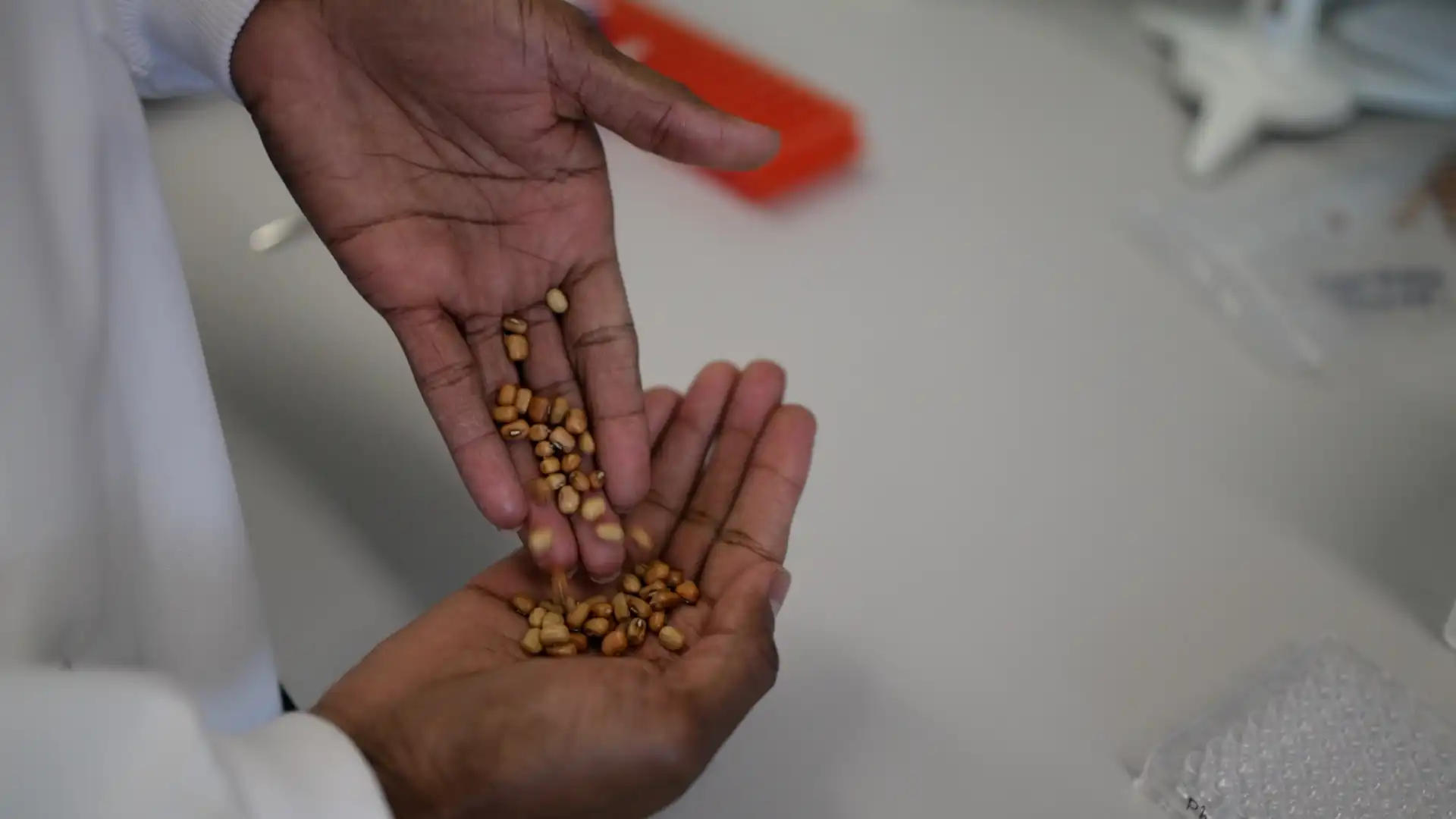
Dr Boukar develops cowpea varieties that can thrive in heat and tolerate the drought conditions which are increasingly challenging farmers in Northern Nigeria and the West African Sahel.
Cowpeas are a vital food source and income generator for millions of people in the region.
“Our partnership with the Crop Science Centre is a powerful example of how global science can meet local needs,” he said. “Farmers know their soil, their seasons and their community better than anyone else. We are not just transferring technology. We are building resilience. The real impact goes beyond the field. It is about building confidence, trust and scientific capacity in African agricultural systems.
“Ultimately, we want to create a world where farming is profitable, dignified and resilient and where science truly serves the people who feed us all.”